The Flooded Hotel
The Flooded Hotel
This story is about how uncertainty taught me leadership.
Another country. Another hotel. Another lesson.
I was Night Manager of a high-profile hotel frequented by celebrities, heads of state, and captains of industry.
A Sales Manager had approved the use of fireworks in a ballroom.
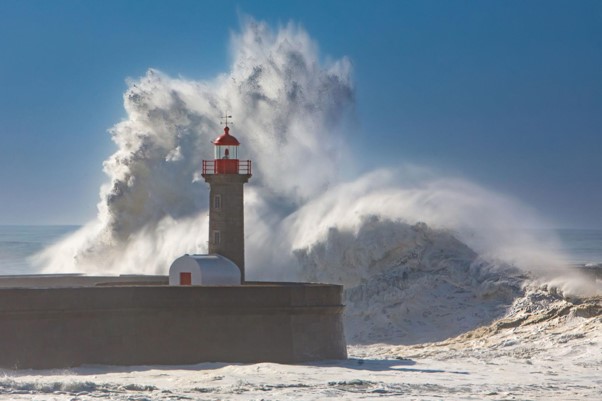
The sprinkler system activated. The hotel began to flood.
Nobody knew how to stop it.
No one on the hotel team knew how. That included me.
Water poured from the building’s entrance onto the street and down into the basements.
The situation deteriorated rapidly, and the basement where the kitchens and stores were located was beginning to flood.
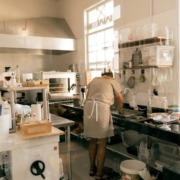
Cooks started building dikes out of towels, aprons, and bed sheets to contain the water.
The fire brigade eventually arrived.
They located the switch. The water stopped.
But the crisis was far from over. Night cleaning teams from across the city were mobilised.
The clean-up continued into the early morning, with me sweeping the floors.
The hotel survived.
Looking back, the event taught me something important.
Systems matter. Training matters.
Preparation matters.
But reality has a habit of introducing situations nobody anticipated.
No manual had prepared us for that night.
No training session had covered it.
No procedure explained what to do next.
Leadership often begins where procedures end.
One thing I have learned about myself is that I do not need to know everything before acting.
Sometimes leadership is not about having answers.
It is about helping people keep moving until answers appear.
When I eventually arrived home, mentally and physically exhausted, I switched on the television to watch a movie on a 24/7 cable channel.
The irony could not have been greater.
The running film was “Towering Inferno”.
A classic disaster movie involving exactly the kind of problem I had just spent the night dealing with.
For the first time after battling my way through the night and into the morning, I laughed.
Thank you for reading my story.
This story is part of a series—”The Banana Republic Hotel and What It Taught Me About Myself”—in which I share lessons learned throughout my professional and personal journey and how those experiences have shaped my thinking and led me to develop my own principles.
If you enjoyed reading the story and have the appetite to read another one, you are invited to visit G&A’s website, in particular its INSIGHTS page, where you can find all stories.
Alternatively, click here to be taken to the next story.
I hope it has provided some food for thought, encouraged curiosity, and inspired you to keep learning.
Curiosity, humility, and continuous learning remain among the most valuable tools we possess.
Terminology for non-hoteliers:
- SOP: Standard Operating Procedure – a documented process describing how a task should be performed to ensure consistency, quality, and compliance.
- KPIs: Key Performance Indicators – measurable indicators used to monitor performance and progress against objectives.
- ADR: Average Daily Rate – the average room rate paid by guests.
- RevPAR: Revenue per Available Room – a measure combining occupancy and room rate to assess hotel revenue performance.
- Occupancy: The percentage of available rooms that are occupied.
- DOF: Double Occupancy Factor – the average number of guests staying in each occupied room. A DOF of 1.0 means every occupied room has one guest; 2.0 means every occupied room has two guests.
- AGC: Average Guest Check – the average amount spent by each guest in a restaurant, bar, or other food and beverage outlet.
- CRS: Central Reservation System – the central booking system that manages a hotel’s room inventory, rates, and reservations across all sales channels.
- PMS: Property Management System – the software used to manage reservations, guest accounts, and hotel operations.
- OTA: Online Travel Agency – websites such as Booking.com or Expedia that sell hotel rooms on behalf of hotels.
- GDS: Global Distribution System – a worldwide booking network used by travel agents and corporate travel departments to reserve hotel rooms, flights, and other travel services.
- CRM: Customer Relationship Management – systems and processes used to manage guest relationships and marketing.
- F&B: Food & Beverage Department – all restaurant, bar, banquet, room service, and catering operations within a hotel.
- Half-Board: A hotel meal plan that includes breakfast and one additional meal each day, usually dinner. Drinks other than those specifically included are generally charged separately.
- MICE: Meetings, Incentives, Conferences and Events – the hotel business related to corporate meetings, conferences, exhibitions, and incentive travel.
- ERP: Enterprise Resource Planning – an integrated software system that connects key business functions such as finance, procurement, inventory, human resources, sales, and reporting into a single platform.
- USALI: Uniform System of Accounts for the Lodging Industry – the internationally recognised accounting standard used by hotels to measure and compare financial performance.
- GOP: Gross Operating Profit – the operating profit generated by the hotel before management fees, rent, financing costs, depreciation, taxes, and other non-operating expenses.
- EBITDA: Earnings Before Interest, Taxes, Depreciation and Amortisation – a widely used measure of an organisation’s operating profitability.
- COS: Cost of Sales – the direct cost of producing the goods sold, such as food, beverages, or merchandise, expressed as an amount or percentage of revenue.
- FTE: Full-Time Equivalent – a standard measure of staffing that converts part-time and seasonal employees into the equivalent number of full-time employees.
About the Author
Raoul Gransier is a Senior International Adviser and owner-focused hotelier with more than 30 years of operational and advisory experience in hospitality, tourism, governance, and performance improvement.
Website